Bunny Candy Cane: A Designer's Review for Real Projects
When I first opened the folder for the Bunny Candy Cane, my immediate reaction was a mix of nostalgia and practical curiosity. As someone who spends hours evaluating digital assets for both personal holiday projects and client work, I don't just look at the image; I look at how it translates from a screen to fabric. This design immediately screams "whimsical holiday," but does it hold up under the needle? After running several test stitches on different materials, here is my honest assessment of where this design fits best in your creative workflow.
The First Impression: Mood and Visual Personality
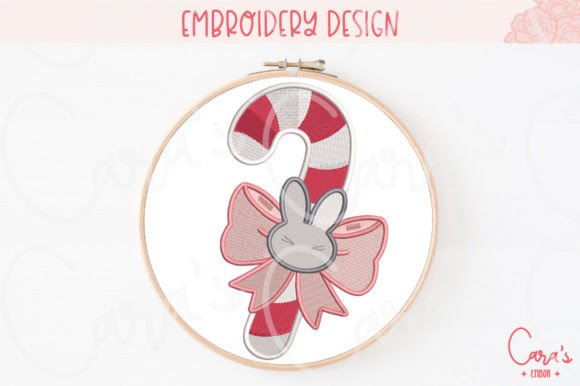
The Bunny Candy Cane captures a specific niche of Christmas aesthetics that leans heavily into charm rather than tradition. It isn't the stern reindeer or the solemn nativity scene; it is playful, soft, and undeniably cute. The visual personality suggests a project meant to bring a smile to a child's face or add a touch of lighthearted joy to a home decor item. The layout feels balanced, likely utilizing a combination of satin stitches for clean outlines and fill stitches for volume, which gives the character a rounded, plush appearance even before you touch the thread.
For a designer, the appeal lies in its versatility. It bridges the gap between traditional winter themes and modern, cute-centric trends. It feels like a design that belongs in a boutique nursery or on a handmade gift bag, rather than a heavy-duty work uniform. The mood is festive without being overwhelming, making it an excellent candidate for subtle branding or personalized touches where you want the message to be warm and inviting.
Real-World Application: From Screen to Stitch
Let's talk about putting this design to work in a real scenario. Imagine you are preparing a custom embroidered tote bag for a local craft fair or creating a batch of holiday aprons for a small business owner. The Bunny Candy Cane machine embroidery design would shine brightly on these items. On a canvas tote, the contrast of colorful threads against a neutral background creates a focal point that draws attention immediately. It transforms a simple utility item into a statement piece that customers will want to carry around town.
I also envision this design performing exceptionally well on baby clothing. The soft curves and friendly subject matter make it perfect for a onesie or a christening gown. When stitched onto a fine cotton blend with appropriate stabilizer, the Bunny Candy Cane adds a layer of luxury and care that parents appreciate. It elevates a standard garment into a keepsake. Similarly, for those looking to create embroidered patches, this design offers enough detail to look intricate when backed with felt or twill, yet remains clear enough to be recognized from a distance.
However, not every surface is created equal. While it works beautifully on flat surfaces like pillow covers and tea towels, applying it to curved surfaces like caps requires careful consideration. The curvature of a hat can distort the vertical alignment of the candy cane, potentially stretching the stitch density in unintended ways. If you plan to use this for custom apparel, such as sweatshirts or t-shirts, ensure the placement area is relatively flat to maintain the integrity of the design.
Where Caution is Required
There are specific scenarios where the Bunny Candy Cane might need extra preparation or a different approach. Small hoop sizes can sometimes struggle with designs that have a moderate amount of detail, leading to cramped stitching that loses definition. If you are working with textured fabrics like boucle wool or thick fleece, the needle may have trouble penetrating the material cleanly, causing puckering or uneven thread tension.
Thin or stretchy fabrics present another challenge. Without a high-quality cut-away stabilizer, the weight of the embroidery could cause the fabric to ripple or tear over time, especially after washing. Dark fabrics require a decision regarding thread colors; if the design relies on light pastels, they might get lost against a black background unless a white underlay or specific thread choices are made. Furthermore, dense stitch areas in the center of the design can become stiff, which might be uncomfortable if placed directly on sensitive skin, such as inside a collar or on a baby's neck.
Impact on Product Value and Customer Trust
In the world of handmade products and Etsy listings, the quality of the embroidery speaks volumes about the brand. A crisp, well-executed Bunny Candy Cane design signals professionalism and attention to detail. Customers are often willing to pay a premium for items that look polished and professionally finished. Conversely, sloppy stitching, skipped stitches, or visible puckering can erode trust instantly.
This design has the potential to boost product value because of its seasonal relevance and broad appeal. It fits naturally into holiday gift-giving narratives, making it a safe bet for commercial embroidery projects aimed at the end-of-year market. When buyers see a high-quality finish on a personalized gift, they associate that quality with the maker's skill, increasing the likelihood of repeat business and positive reviews. The design acts as a visual anchor that reinforces the handmade nature of the product while maintaining a level of commercial viability.
Practical Notes for the Embroidery Designer
Before committing to a full production run, there are essential steps every designer should take. First, always test the design on scrap fabric that matches your final project material. This allows you to check thread color contrast and observe how the stitch density interacts with the fabric texture. You need to verify that the Bunny Candy Cane holds its shape without excessive pulling or distortion.
Review the stitch file carefully to ensure it includes the necessary components for your intended application. Check the hoop size requirements; if the design exceeds your machine's capabilities, you may need to split it or adjust the digitization. Inspect small details closely to ensure they won't blur together during the stitching process. It is also wise to test the design in black and white mockups to confirm that the contrast levels are sufficient for visibility on various backgrounds.
Don't forget to confirm the licensing terms. If you intend to sell finished products featuring the Bunny Candy Cane design, you must ensure you have the proper commercial license. Using a design intended only for personal use in a shop setting can lead to legal issues. Additionally, consider using proper stabilizers tailored to the fabric weight to prevent damage during the washing cycle. Finally, compare the digital preview with the actual stitched result to ensure the final product matches your expectations before presenting it to clients or listing it online.
Ultimately, the Bunny Candy Cane is a charming addition to any embroidery collection. It brings a sense of fun and festivity that resonates with many audiences. By approaching it with a critical eye and following best practices for stabilization and testing, you can turn this digital file into a stunning finished product that stands out in a crowded marketplace.