Chill Embroidery Design Review for Boutique Apparel
As an experienced embroidery designer, I am constantly scanning marketplaces like Creative Fabrica for machine embroidery designs that can elevate a small clothing brand. When I first encountered the Chill design in the Friends Quotes category, my immediate reaction was one of potential. In the world of custom apparel, finding a digital embroidery file that balances casual cool with professional polish is rare. This review explores how this specific machine embroidery design fits into a boutique collection, specifically focusing on sweatshirts, hoodies, and lifestyle merchandise.
The First Impression: Mood and Visual Personality
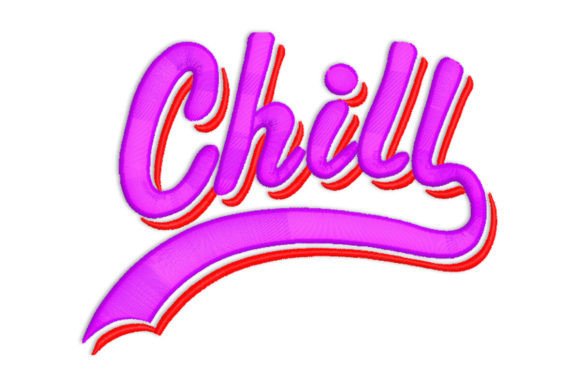
Before a single stitch is placed on fabric, the visual personality of the design dictates its success. The Chill design exudes a relaxed, modern vibe that feels perfect for the current trend of oversized garments and cozy seasonal outfits. It does not scream for attention but rather invites the viewer to pause and appreciate the charm. For a boutique brand looking to establish a specific identity, this design offers a clean, friendly aesthetic that works well across various demographics.
The decorative strength of this piece lies in its simplicity. It avoids the cluttered look of overly complex patterns, making it ideal for t-shirt embroidery where space is limited. Whether you are aiming for a cute, playful look or a more minimal, trendy style, Chill provides a versatile foundation. It feels premium enough for high-end streetwear yet casual enough for everyday wear. This duality makes it a strong candidate for commercial embroidery projects targeting both men and women who value comfort and style.
Applying Chill to Sweatshirt and Hoodie Collections
Sweatshirt embroidery remains one of the most popular applications for digital files, and this design shines when applied to neutral sweatshirts or pastel hoodies. The soft textures of fleece provide an excellent canvas for the thread colors used in this machine embroidery design. Imagine placing the Chill motif on the chest of a heather gray hoodie; the contrast creates a subtle statement that looks effortlessly stylish.
For those expanding their inventory, consider using this design for sleeve accents. A smaller iteration on the left sleeve can add a touch of uniqueness without overwhelming the garment. Alternatively, for a bold back design, the layout could be scaled up to make a statement on oversized garments. The design's fluid lines adapt well to the curves of the body, ensuring that the finished product maintains its visual integrity even on stretchy fabric.
When photographing these items for printable mockups or Etsy listings, the design adds a layer of texture that flat prints often lack. The raised stitches catch the light differently, enhancing the visual consistency of your social media graphics. Buyers scrolling through Instagram or Pinterest will notice the tactile quality, which significantly boosts buyer trust and product recognition.
Expanding Beyond Apparel
While apparel is the primary focus, the versatility of this embroidery file extends to other handmade products. Tote bag design is a natural fit, as the sturdy cotton canvas holds the stitches beautifully. You could also use this design for lifestyle product photos featuring home decor items like pillows or towels, creating a cohesive brand story that spans multiple categories.
For the Etsy seller or digital seller, having a design that works on both fabric and paper-based mockups is crucial. The Chill design allows you to create a unified look for your shop, whether you are selling physical goods or offering custom services. This consistency helps in building a recognizable boutique brand that customers return to repeatedly.
Strategic Placement and Potential Challenges
Even the best machine embroidery design requires careful consideration regarding placement and fabric choice. While Chill is robust, there are areas where caution is necessary. Small chest placement on fitted garments might feel cramped if the design is too large relative to the wearer's frame. Always review the hoop size requirements before finalizing your production plan.
Dense stitch areas can sometimes cause puckering, especially on lighter weight fabrics. If you are working with dark garments, ensure that your thread color contrast is sufficient to make the design pop without losing definition. Curved surfaces, such as the shoulders of a hoodie or the side of a tote bag, require precise stabilizer choices to prevent distortion.
It is also important to avoid placing dense stitching on ribbed fabric unless you have extensive experience managing tension. Stretchy fabric can cause the embroidery to warp over time if the stabilizer is not chosen correctly. For tiny lettering or intricate details within the design, inspect the stitch density closely to ensure legibility and durability after washing.
Impact on Brand Identity and Product Value
In the competitive landscape of small shop products, the quality of your embroidery directly affects perceived value. A well-executed Chill design signals professionalism and attention to detail. Customers are willing to pay a premium for items that look and feel high-quality, and embroidery is a proven method to achieve this.
Using a consistent design language across your collection strengthens your brand identity. When a customer sees the same charming aesthetic on a sweatshirt, a tote bag, and a pillow, they begin to associate those qualities with your business. This visual consistency fosters customer engagement and encourages repeat purchases. Furthermore, a professionally presented finished product reduces returns and negative reviews, as the item matches the expectations set by your listing images.
Practical Designer Notes for Production
Before committing to a full production run, every professional designer should follow a rigorous testing protocol. Start by testing on scrap fabric that mimics the texture and weight of your final garment. This step is non-negotiable for achieving a flawless result.
- Check Stabilizer Choice: Ensure the stabilizer matches the fabric type. Heavyweight cut-away stabilizers are often needed for fleece, while tear-away may suffice for woven cotton.
- Review Thread Color Contrast: Test different thread colors to see how they interact with your specific garment shades. Neutral tones often work best for a chic look, while brights can add a pop of energy.
- Confirm Hoop Size: Verify that your embroidery machine can accommodate the design dimensions within your available hoop size.
- Inspect Stitch Density: Look at the file settings to understand the stitch density. High density may require a stronger base fabric to prevent sinking.
- Test on Similar Garment Fabric: Do not assume all "cotton" or "polyester" blends behave the same way. Test on the exact material you intend to sell.
- Compare Placement Options: Try different placements on a sample garment to find the most flattering position.
Finally, always check the Creative Fabrica product details and licensing terms before selling finished apparel. Understanding the commercial rights ensures you can legally use the Chill design in your business without legal complications. By following these steps, you can confidently integrate this design into your workflow, knowing it meets the standards of a professional embroidery shop.
The Chill design represents more than just a graphic; it is a tool for creative entrepreneurs to build a loyal customer base. With thoughtful application and technical precision, this machine embroidery design can transform simple blank garments into cherished boutique pieces. Whether you are launching a new line of cozy seasonal outfits or refreshing your existing catalog, this file offers the charm and quality needed to stand out in a crowded marketplace.