Christmas Tree Card Review
As a professional embroidery designer who spends countless hours testing digital assets for commercial use, I recently evaluated the Christmas Tree Card from Creative Fabrica. My goal was to determine if this design could hold its own in a real-world scenario, specifically for clients ordering seasonal custom apparel and handmade gifts. The product description highlights that it is a "lightly stitched design" that stitches out quickly, which immediately caught my attention for high-volume holiday projects.
In an industry where time is money and stitch quality dictates customer trust, finding a design that balances speed with aesthetic appeal is crucial. This review breaks down my experience considering Christmas Tree Card for various applications, from tote bags and aprons to baby blankets and nursery decor. Whether you are an Etsy seller looking to expand your holiday inventory or a small business owner planning a craft fair booth, understanding the practical nuances of this file is essential before you commit to production.
First Impressions and Visual Mood
The initial visual assessment of Christmas Tree Card reveals a design that leans towards simplicity and charm rather than intricate complexity. The description notes it is perfect for stitching on a card, but as a designer, I see immediate potential beyond paper crafts. The "lightly stitched" nature suggests a design that relies on open spaces and perhaps running stitches or sparse fill areas, creating a delicate, airy feel.
This specific aesthetic makes it ideal for projects where a heavy, dense block of thread would overwhelm the fabric. For instance, when applied to a soft baby blanket or a lightweight kitchen towel, the design maintains the texture of the material while adding a festive touch. It avoids the stiff, board-like finish that can occur with overly dense satin stitches, making it a strong contender for wearable items like sweatshirts or tote bags where comfort and drape matter.
Performance in Real Embroidery Work
When evaluating Christmas Tree Card for commercial embroidery, the primary advantage lies in its efficiency. The prompt mentions it stitches out really quickly, a vital metric for anyone producing personalized gifts or bulk orders. In a commercial setting, reduced hoop-to-hoop time translates directly to higher profit margins. However, speed must not come at the cost of durability.
- Custom Apparel: For sweatshirt embroidery, the light stitch density is beneficial. Heavy designs on thick cotton fleece can cause puckering or look top-heavy. A lighter design like this likely sits flatter and feels more integrated into the garment.
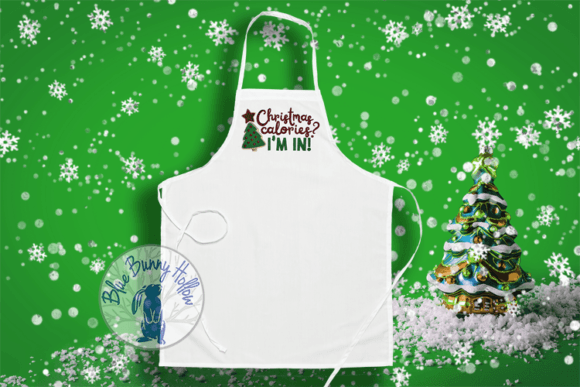
- Tote Bags and Aprons: These canvas-style items often require designs that can withstand handling without losing detail. If the design utilizes satin stitch for outlines and running stitch for accents, it should offer good definition on textured fabrics.
- Baby Items and Nursery Decor: Softness is paramount here. A lightly stitched tree on a crib pillow or muslin bag provides a gentle, modern look that appeals to parents seeking contemporary holiday decor.
I also considered its application as an embroidered patch. While many patches require dense fills for durability, a lightly stitched design might work well for decorative iron-on patches used on denim jackets or caps, provided the backing is applied correctly. The versatility extends to printable mockups as well; the clean lines of a simple design translate beautifully to digital marketing images for online shops.
Practical Considerations and Technical Challenges
Despite the appealing speed and aesthetic, every embroidery file presents unique challenges. When reviewing Christmas Tree Card, several technical factors require careful attention before starting a production run.
Hoop Size and Stitch Density: The description implies a compact design, but verifying the exact hoop size is critical. If the design includes tiny lettering or minute details, ensure they are large enough to be legible after stitching. Dense stitch areas can sometimes cause issues on stretchy fabrics, so testing on scrap material is non-negotiable. Always check the recommended stabilizer type; a lightly stitched design on a stretchy knit might still need cut-away stabilizer to prevent distortion during wear.
Fabric Compatibility: The performance of this design will vary significantly based on the base material. On dark fabric, thread color contrast becomes a major factor. If the design relies on subtle shading, a light background might be necessary to maintain visibility. Conversely, on light fabrics, a darker thread might be required to ensure the tree stands out. Testing both light and dark fabric mockups is a wise step for any designer selling finished products.
Curved Surfaces: Applying this design to a cap requires a curved hoop setup. While the light stitch count reduces the risk of pulling the fabric, the curvature can distort straight lines. Careful hooping and potentially using a tear-away stabilizer underneath can help manage the tension. For products that need frequent washing, such as kitchen towels or aprons, inspect the small details after the first wash cycle to ensure no loose threads have frayed.
Impact on Product Value and Brand Consistency
For creative entrepreneurs, the choice of a design affects more than just the production process; it influences buyer perception. Christmas Tree Card offers a specific vibe—whimsical, quick, and approachable. This aligns well with brands focused on handmade, artisanal goods. However, if your brand identity is built on luxury, heavy-duty, or ultra-premium finishes, this design might feel too casual.
Consistency is key for building trust. If you use this design for a series of holiday gifts, ensure the thread colors remain consistent across batches. A mismatched thread shade can undermine the perceived quality of a handmade product. Furthermore, the "light" nature of the design allows for personalization options. Adding a name or date nearby can elevate the item from a generic gift to a cherished keepsake, increasing its value in the eyes of the customer.
Visual appeal in product photography is also enhanced by simpler designs. They allow the texture of the fabric to shine through, creating more engaging images for social media and Etsy listings. Customers often appreciate seeing the craftsmanship of the stitching rather than just the pattern itself, and a lightly stitched design invites closer inspection.
Final Verdict and Next Steps
After weighing the pros and cons, Christmas Tree Card appears to be a solid addition to a library of design assets for those specializing in seasonal merchandise. Its speed and gentle aesthetic make it particularly suitable for baby items, home decor, and casual apparel. However, success depends entirely on proper execution.
Before integrating this into your commercial workflow, I strongly advise taking the following steps:
- Test on Scrap: Run the design on the actual fabric you intend to sell, including the chosen stabilizer.
- Check File Details: Confirm the file formats, machine compatibility, and licensing terms on the Creative Fabrica product page to ensure you are cleared for commercial resale.
- Review Stitch Density: Inspect the digitizing for any areas that might be too thin or prone to breaking under tension.
- Compare Mockups: Create digital previews on both light and dark backgrounds to visualize the final product.
If you are looking for a reliable, efficient design that adds a touch of holiday cheer without overwhelming the fabric, this file is worth downloading. Just remember that the difference between a good product and a great one often lies in the preparation and testing phase. By treating Christmas Tree Card with the same care as any other premium embroidery design, you can deliver high-quality finished products that your customers will love.