Dear Santa the Elf Lied Design Review
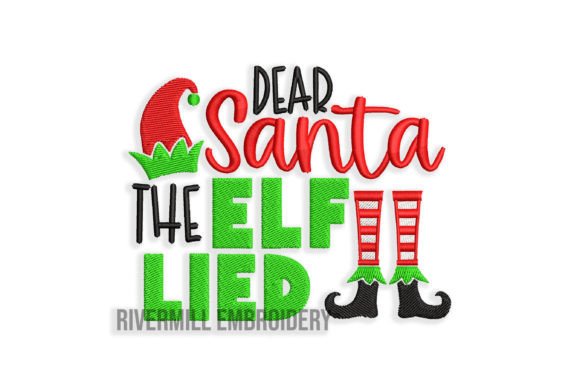
As an experienced embroidery designer who has spent years refining designs for small business merchandise and branded patches, I approach every new digital file with a critical eye. When evaluating Dear Santa the Elf Lied, my goal is not just to admire the art, but to determine its viability as a commercial asset. This playful and humorous design features a mischievous twist on the classic Santa letter, making it a potential standout piece for holiday-themed apparel and accessories. However, for a brand to succeed, the visual personality must align with professional standards while maintaining that handmade charm.
First Impressions: Personality and Brand Fit
The moment you view the preview of Dear Santa the Elf Lied, the tone is immediately established. It feels friendly, bold, and undeniably playful rather than elegant or rustic. For a boutique, a creative studio, or a local bakery looking to inject personality into their Christmas collection, this design offers a fresh alternative to traditional, overly formal holiday motifs. The humor inherent in the title suggests a brand that does not take itself too seriously, which can be incredibly effective for building customer engagement.
In terms of brand identity, this design signals approachability. It works exceptionally well for businesses that want to feel like part of the family. Imagine a coffee shop owner using this as a chest logo accent on staff aprons; it instantly humanizes the service experience. However, if your brand relies on high-end luxury positioning or strict corporate formality, this mischievous vibe might clash with your existing visual consistency. The key is understanding that Dear Santa the Elf Lied is a statement piece designed to spark conversation and smiles, not just to decorate fabric.
Real-World Application for Small Business Merch
When I analyze how a machine embroidery design performs in real business scenarios, I look at durability, placement, and versatility. Dear Santa the Elf Lied has significant potential across various product categories. As an embroidered patch, it could serve as a premium add-on for limited edition holiday tote bags or custom hats sold during the seasonal rush. The playful nature of the text makes it ideal for "staff gifts" or customer appreciation items, such as a branded apron for a florist or a cap for a pet brand running a holiday campaign.
For Etsy sellers and merch creators, this digital embroidery file can elevate a standard product line. Picture a set of matching holiday socks or a batch of embroidered product labels sewn onto handmade soaps or candles. The design acts as a subtle yet clear marker of quality. If used correctly, it enhances the perceived value of the finished product. A small business selling custom apparel can use this as a sleeve detail or a back-of-neck accent, creating a cohesive look across a uniform line without overwhelming the wearer. It transforms generic merchandise into a unique handmade product that customers are eager to share on social media.
Strategic Placement and Product Pairings
To maximize the impact of this design, consider where it fits best within your inventory. It excels on items that allow for moderate stitching area. An apron embroidery project on a denim bib or a canvas tote bag provides the perfect backdrop for the text to breathe. Similarly, placing it on the front panel of a structured cap can create a striking focal point. For brands looking to expand into commercial embroidery, this design serves as a versatile asset for event merch, allowing businesses to quickly produce coordinated gear for holiday parties or charity drives.
The design also shines when paired with other assets. If you have a set of design assets for your brand, ensure this file complements them. It should not feel like an afterthought but rather a curated addition to your holiday catalog. Whether it is used as a chest logo accent on a work shirt or a decorative mark on product packaging, the execution determines the final impression.
Critical Considerations for Production Quality
While the concept is strong, an experienced designer knows that execution is everything. There are specific areas where Dear Santa the Elf Lied requires careful handling to avoid compromising the integrity of the garment or the patch. First, consider the stitch density. If the design contains detailed outlines or tiny lettering, it may become muddy when stitched at smaller sizes. Always test the design at the intended production scale before committing to a bulk run.
Fabric texture plays a crucial role in the final outcome. On highly textured fabrics like heavy wool or thick corduroy, fine details might get lost. Conversely, on smooth cottons or polyester blends, the thread colors will pop more vividly. You must inspect the spacing carefully; crowded elements can lead to puckering, especially on curved surfaces like caps. If the design is too dense, it may require a heavier stabilizer to maintain shape, which can alter the drape of the final product.
Another vital factor is the color contrast. Ensure that the chosen thread colors provide enough distinction against the background fabric. Dark uniforms often demand lighter threads, but the reverse is true for light-colored aprons. If the contrast is low, the message gets lost, and the finished product fails to deliver its intended punch. Additionally, items that need frequent washing should be tested for thread stability and fabric shrinkage to prevent the design from distorting over time.
Professional Designer Notes for Commercial Use
Before integrating Dear Santa the Elf Lied into your production workflow, there are several technical steps you must follow. Start by testing the file in black and white first. This helps visualize the density and layout without the distraction of color. Check if the design holds up at a small patch size; sometimes text that looks great on a screen becomes illegible when reduced. Confirm the hoop size requirements to ensure your machine can accommodate the design without needing to re-hoop, which risks alignment errors.
Always use proper stabilizer for the specific fabric type you are working with. This is non-negotiable for maintaining the sharpness of the letters and the overall structure of the embroidery file. Creating a printable mockup for client approval is another essential step. Showing a realistic representation of how the design looks on a hat or tote bag prevents misunderstandings and ensures the brand identity remains consistent. Compare this design beside your other custom apparel graphics to ensure it fits the aesthetic of your entire collection.
Finally, confirm commercial licensing before using this embroidery design for business purposes. Many digital files come with restrictions that prohibit resale or mass production. Verify that you have the rights to use Dear Santa the Elf Lied on merchandise you intend to sell. Once these checks are complete, you can confidently move forward with production, knowing that your small business merch will meet professional standards.
By treating this design with the same rigor as any other professional asset, you ensure that Dear Santa the Elf Lied delivers both style and substance. It is a powerful tool for connecting with customers during the holiday season, provided it is executed with care and attention to detail.