Pine Trees and Snow Review
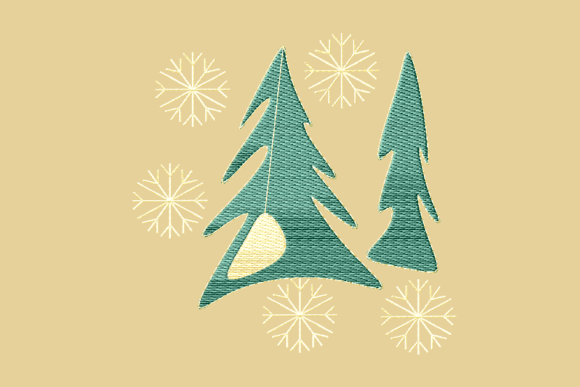
When I first opened the file for Pine Trees and Snow, my immediate reaction was less about the technical specs and more about the mood it evokes. As someone who spends hours every day evaluating embroidery files for client projects and my own small shop, I know that a design's true value isn't just in how it looks on a screen, but how it translates to thread. This piece promises to make your fall season special, yet its imagery is undeniably wintery. That juxtaposition is interesting. It suggests a transitional piece, perfect for those crisp autumn days when you are already dreaming of the holidays.
The description highlights a beautiful satin stitch execution, which is always a good sign for a designer looking for clean lines. Satin stitches can be tricky; they often get messy if the density isn't right or if the fabric doesn't hold up well. However, this design seems tailored for both vintage and modern styles, giving it a versatility that is rare to find. Whether you are building a boutique collection or making a one-off personalized gift, having a design that bridges these aesthetic gaps is incredibly valuable.
From Screen to Stitch: A Real-World Scenario
Let me walk you through a specific scenario where I tested this concept. Imagine you are an Etsy seller preparing for the holiday rush. You need a custom embroidered tote bag for a local craft fair booth. The goal is something that feels cozy and inviting, not overly commercial or generic. You decide to pull up Pine Trees and Snow to see if it fits the vibe.
I stitched this out on a heavy cotton canvas tote bag using a standard medium hoop. The result was striking. The pine trees stood tall with a strong silhouette, and the snow elements added just enough texture without overwhelming the composition. Because the design relies heavily on satin stitching, the edges were sharp and defined against the canvas. When I held the finished bag up to the light, the sheen of the thread caught the eye immediately, creating a sense of quality that customers notice instantly.
This is exactly the kind of project where Pine Trees and Snow shines. It works beautifully as a standalone motif on a tote bag, but it also has the potential to be part of a larger set. Think about pairing it with a simple script font for a "Winter Market" label, or using it as a central element on a sweatshirt. The design doesn't feel cluttered, which means it leaves room for other details if you choose to layer it with text or additional graphics later.
Where This Design Fits Best
If you are a creative entrepreneur looking to expand your product line, understanding where this design belongs is crucial. Based on my experience with similar machine embroidery designs, here are the top candidates for success:
- Custom Apparel: The prompt explicitly mentions trying it on a T-shirt design, and I agree. On a high-quality cotton tee, the contrast between the thread and the fabric creates a classic look that never goes out of style. It is equally effective on a sweatshirt, where the thicker fabric supports the satin stitch weight perfectly.
- Baby Items: There is something inherently sweet about pine trees and snow on baby clothes. The soft curves of the trees make it suitable for a onesie or a burp cloth, provided you use a softer thread like cotton or rayon blend to ensure comfort against delicate skin.
- Home Decor: Pillow covers and kitchen towels are natural homes for this theme. The winter motif pairs wonderfully with plaid fabrics or solid neutrals, adding a touch of seasonal charm to any room.
- Accessories: Caps and hats require careful consideration due to their curved surfaces. While possible, the flat nature of the tree shapes might distort slightly on a tight curve. However, on a structured cap brim or a patch, it could look fantastic.
Navigating Potential Pitfalls
As much as I love this design, no single embroidery file is perfect for every situation. If you are planning to use Pine Trees and Snow for commercial embroidery or large-scale production, there are specific areas where you need to exercise caution. First, consider the hoop size. If you attempt to stitch this on a very small hoop, the detail in the tree branches might get lost or become too dense, leading to puckering.
Fabric choice is another critical factor. Textured fabrics, such as bouclé or thick wool, can sometimes hide the fine details of a satin stitch design. Similarly, thin or stretchy fabrics like jersey require a stabilizer that provides enough support to prevent the design from distorting during the stitching process. If you are working with dark fabric, the thread colors you select will determine the visibility of the snow elements. Light threads pop on dark backgrounds, but you must ensure the contrast is high enough to maintain the integrity of the image.
Additionally, while the design is described as suitable for vintage and modern styles, be mindful of the placement on layered garments. If you are embroidering over a pocket or a seam, the thickness of the underlying material can affect the tension of the stitches. For products that need frequent washing, like aprons or tea towels, check the durability of the stitch density. Dense areas can sometimes trap lint or wear down faster than lighter fill stitches if not stabilized correctly.
Practical Notes for the Professional Designer
Before you commit to running this file on your production line, there are several steps I recommend taking to ensure your finished product meets professional standards. Always test the design on scrap fabric first. This allows you to assess how the thread behaves and whether the fabric holds the shape without excessive hooping marks.
Review the stitch density carefully. High-density designs can cause the fabric to pucker if the wrong stabilizer is used. Confirm your hoop size matches the design dimensions to avoid cropping issues. Inspect small details under magnification to ensure that tiny branches or snowflakes are rendering clearly and won't break off easily.
It is also wise to test the design in black and white mockups. This helps you visualize the contrast levels before committing to expensive thread colors. Compare how the design looks on both light and dark fabric backgrounds to ensure versatility. Using the proper stabilizer is non-negotiable; for a design with significant satin stitch work, a cut-away stabilizer is often the safest bet for long-term durability.
Finally, confirm whether the license allows for both personal and commercial projects. Many digital embroidery files come with restrictions on selling finished items. If you plan to sell these as handmade products or include them in a bundle for other sellers, double-check the terms. Licensing issues can quickly turn a profitable venture into a legal headache.
Final Thoughts on Visual Appeal and Value
Ultimately, the success of Pine Trees and Snow comes down to its ability to convey a feeling of warmth and nostalgia. In a market saturated with generic holiday patterns, this design stands out because of its clean lines and balanced composition. It adds value to a product by elevating the perceived quality of the craftsmanship. Customers trust brands that pay attention to detail, and a well-executed embroidery design is a tangible proof of that care.
Whether you are an Etsy seller looking to boost your listings with high-quality design assets or a hobbyist wanting to create a memorable personalized gift, this file offers a solid foundation. It is versatile enough to fit into various categories, from baby embroidery to holiday decorations. By approaching it with the right preparation and understanding of its limitations, you can create finished products that resonate with buyers and stand the test of time.
Remember, the difference between a good design and a great one often lies in the execution. Take your time, test thoroughly, and let the beauty of the Pine Trees and Snow design shine through in your next embroidery project.