Adorable Hippo Applique: A Designer's Fair Review
Stepping into the world of craft fairs and handmade markets requires more than just a good eye; it demands a strategic mindset. As an experienced embroidery designer, I spend my days evaluating digital files to determine which ones will transform from a screen image into a best-selling booth item. Recently, I examined the Adorable Hippo Applique, a design that promises to bring a splash of whimsy to any project. Before I commit this to my production queue for the upcoming weekend market, I need to break down its potential as a commercial product.
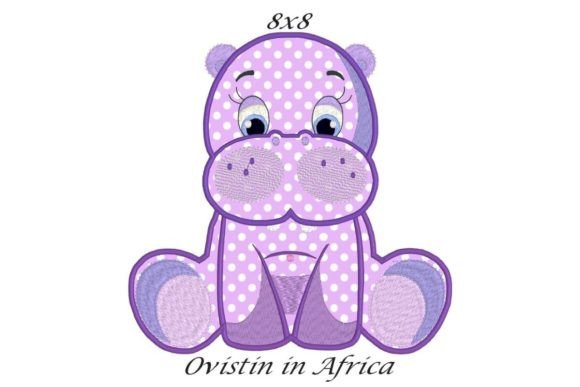
The first impression of Adorable Hippo Applique is undeniably soft and charming. The title suggests a focus on cuteness, while the description highlights the appliqué technique. This combination immediately signals a high-end, tactile quality that stands out against standard satin stitch designs. In a sea of mass-produced goods, the use of fabric layers combined with thread work creates depth and texture. For a handmade shop owner or an Etsy seller, this design feels like a premium asset. It leans heavily into the "cute" and "friendly" aesthetic, making it perfect for children's items, nursery decor, or playful accessories. It does not feel rigid or overly formal; instead, it exudes a warmth that invites customers to reach out and touch the finished product.
Where Adorable Hippo Applique Shines at the Booth
When planning a table display for a craft fair, visual hierarchy is everything. You want your products to catch the eye from across the aisle. Adorable Hippo Applique has the potential to be a focal point, but only if placed correctly. Imagine a row of canvas tote bags. A simple embroidered logo might get lost, but a hippo made of layered fabric with detailed stitching would pop. The appliqué technique adds a dimensional quality that photographs beautifully for online listings, giving potential buyers a clear sense of the texture even through a screen.
This design is particularly versatile for specific product categories. On tote bag designs, the hippo can serve as a large, central graphic that turns a plain bag into a statement piece. Similarly, for apron embroidery, placing the design near the chest area creates a delightful surprise for the wearer. Kitchen enthusiasts love functional art, so a tea towel embroidery featuring this friendly animal could become a top-tier gift item. The design also translates well to smaller goods like fabric pouches and small market bags, where it acts as a charming accent rather than an overwhelming feature.
I am also considering its application on caps and embroidered patches. While caps present a challenge due to their curved surfaces, the bold nature of an appliqué design often holds up better than fine details on a curve. If the stitch density is appropriate, Adorable Hippo Applique could create a standout patch for denim jackets or backpacks. For boutique makers looking to expand their inventory, this design offers a unique angle within the Wild Animals category. It moves away from the generic lion or tiger and offers something distinctively cute that appeals to families and collectors alike.
Production Realities and Customer Appeal
For a small shop product or a digital seller creating printable mockups, efficiency is key. Does Adorable Hippo Applique lend itself to batch production? Appliqué generally takes longer to stitch than a single-color fill because it involves cutting fabric pieces and securing them before adding the final stitches. However, the result is a higher perceived value. Customers are willing to pay more for items that look handcrafted and substantial. The design's charm drives buyer engagement, making it an excellent choice for giftable handmade items during the holiday season or baby showers.
From a visual appeal standpoint, the design must photograph well. The contrast between the base fabric, the appliqué fabric, and the embroidery threads is crucial. If the colors clash, the "adorable" factor vanishes. When preparing your Etsy listing, ensure you have multiple angles showing the fabric layers. This transparency builds trust and reduces return rates. Furthermore, the design should feel repeatable. Can you create a matching set of pillows, a bag, and a tea towel without the pattern looking cluttered? If the hippo works as both a standalone hero and a repeating motif, it becomes a powerhouse asset for your brand consistency.
Practical Considerations for Embroidery Business Owners
Before running a full production run, there are critical technical notes to consider. Not all designs are created equal, and understanding the limitations of machine embroidery design files is essential for success. One of the primary concerns with appliqué is the stability of the fabric edges. If the design features tiny details or very thin lines, they may fray or lose clarity over time, especially after washing. For embroidery file evaluation, check the stitch density. Dense areas can cause puckering on lightweight fabrics like cotton tees, while sparse areas might look unfinished on thick materials.
Specific challenges arise when adapting this design to different mediums. Stitch density is a major factor here. If the hippo's features are too intricate, the machine might struggle to lay down enough thread to cover the fabric cleanly, resulting in a muddy appearance. Conversely, if the design is too simple, it may lack the impact needed to justify the extra labor of appliqué. When working with dark fabric, the contrast of the appliqué material becomes even more vital. You must select a light-colored fabric for the hippo to ensure it stands out against the dark background.
Texture also plays a role. While textured towels add character, they can sometimes interfere with the smooth finish required for clean appliqué edges. A flat-weave fabric usually yields the best results. Additionally, be mindful of the hoop size. If the design exceeds your machine's hoop capabilities, you will need to reposition, which risks misalignment. Always confirm the dimensions before starting a batch. If the design includes lettering, ensure it is legible at the intended size. Tiny text on a small pouch often becomes unreadable, diminishing the professional look of the finished product.
Designer's Checklist for Market Success
To ensure Adorable Hippo Applique performs as expected in your booth, follow these practical steps. First, test the design on scrap fabric. This allows you to see how the thread interacts with the specific weave of your chosen material. Check thread contrast carefully; sometimes a color that looks great on screen appears dull in person. Review spacing to ensure the design fits comfortably within your product's usable area without hitting seams or hems.
Confirm that you are using the right stabilizer for the weight of your fabric. Heavy stabilizers are often needed for appliqué to prevent shifting, but they can make the final product stiff if not trimmed properly. Create at least one real mockup to photograph for your marketing materials. A digital render is useful, but nothing sells a craft fair item like a photo of the actual object sitting on a wooden table. Compare different fabric colors to find the palette that maximizes the "adorable" vibe. Finally, verify your commercial licensing terms. Even though this is a review of a design, you must ensure you have the legal right to sell the physical items produced from this digital embroidery file.
In conclusion, Adorable Hippo Applique represents a strong opportunity for creative entrepreneurs looking to elevate their handmade offerings. Its blend of whimsical character and textured construction makes it a standout choice for craft fair booths and online shops. By paying attention to fabric choices, stitch density, and proper testing, you can turn this design into a profitable line of products. Whether you are selling commercial embroidery items or personalizing gifts for local clients, this design offers the charm and quality that modern buyers crave. With careful execution, Adorable Hippo Applique can become a signature piece in your collection, driving sales and building a loyal customer base who appreciates the artistry of true handmade goods.