We Do Wedding Calligraphy: A Designer's Review
As an experienced embroidery designer, I am constantly scanning Creative Fabrica for digital assets that can elevate a boutique brand. When I stumbled upon the We Do Wedding Calligraphy design, it immediately caught my eye. It is not just another generic font; it possesses a specific visual personality that screams whimsy and charm. For those of us looking to build a cohesive collection of custom apparel or handmade products, this machine embroidery design offers a unique opportunity to blend romance with modern streetwear aesthetics.
In this review, I will walk through how this design performs when applied to real-world garment projects, from oversized hoodies to delicate tote bags. My goal is to provide a realistic look at its potential for commercial use, ensuring you understand both the creative possibilities and the technical considerations before you start stitching.
The First Impression: Mood and Visual Personality
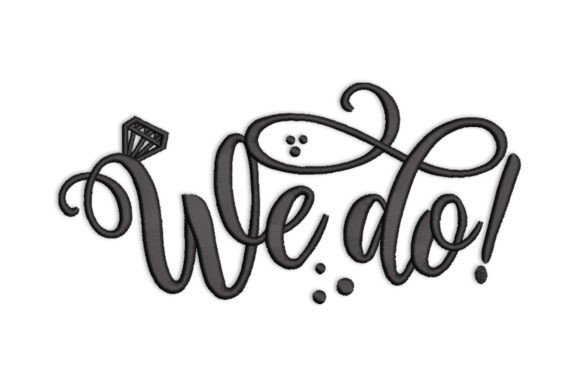
The moment you preview We Do Wedding Calligraphy, you notice its fluid, hand-lettered quality. Unlike blocky sans-serifs or rigid script fonts, this design feels organic and soft. It strikes a perfect balance between feminine elegance and playful energy. The stroke weight varies naturally, mimicking the pressure of a calligraphy pen, which gives it a premium feel even in a digital file.
For a wedding-themed collection, this design is ideal. However, its versatility extends far beyond nuptials. The whimsical nature of the lettering makes it suitable for lifestyle branding, bridal shower merchandise, and even casual statement pieces. It does not feel overly formal; instead, it invites the viewer into a world of celebration and joy. Whether you are creating a "We Do" sweatshirt for a bachelorette party or a subtle chest logo for a boutique brand, the design carries a sense of authenticity that machine-stitched text often lacks.
Applying the Design to Apparel Collections
Imagine preparing a small sweatshirt collection for your online shop. How would We Do Wedding Calligraphy translate to different garments? Let's explore some practical scenarios.
- Sweatshirt Embroidery: This design shines on neutral-colored sweatshirts like heather gray, oatmeal, or blush pink. The calligraphic style adds a touch of sophistication to otherwise casual fleece. On a dark garment, such as navy or black, using a metallic or cream thread creates a stunning contrast that elevates the perceived value of the finished product.
- Hoodie Design: Placing this design on the left chest of a hoodie creates a subtle, high-end look. Alternatively, scaling it up for the back of an oversized hoodie makes a bold statement. The flowing lines of the text work beautifully on curved surfaces, following the natural drape of the fabric without looking distorted.
- Sleeve Accents: For a more understated approach, consider placing a smaller version of the design on the sleeve cuff or upper arm. This works exceptionally well on denim jackets or canvas tote bags, adding a personalized touch to everyday accessories.
- Tote Bags and Lifestyle Products: Since the product description suggests it is lovely for home decor, it translates perfectly to canvas totes. The design adds a whimsical charm that customers love to see in social media photos and Etsy listings.
Visual Consistency and Brand Identity
When building a boutique brand, visual consistency is key. We Do Wedding Calligraphy helps establish a brand identity that feels approachable yet professional. It signals to your customer that you care about details. A well-executed embroidery project using this design enhances buyer trust and product recognition. When a customer sees a clean, dense stitch job on a cozy seasonal outfit, they associate that quality with your entire shop.
This design is particularly effective for printable mockups. Because the lettering has distinct curves and varying line weights, it looks excellent in digital presentations, making your Etsy listings stand out against competitors who use standard fonts.
Technical Considerations and Placement Strategy
While the aesthetic appeal is undeniable, a professional designer knows that success lies in execution. There are specific areas where you must exercise caution when working with this machine embroidery design.
Small Chest Placement: If you plan to place this on a small chest area, ensure the digitization allows for adequate spacing. Crowded lettering on stretchy fabrics like jersey knit can lead to distortion. Always test on scrap fabric first to confirm the hoop size accommodates the curve of the shoulder.
Dense Stitch Areas: Calligraphy designs often feature long, sweeping strokes. On thick fleece or heavy denim, excessive density can cause puckering. You may need to adjust the stabilizer choice, perhaps opting for a cut-away stabilizer rather than a tear-away, to support the weight of the stitches and maintain fabric texture integrity.
Dark Garments and Thread Colors: Contrast is crucial. On dark garments, light threads are necessary to make the design pop. However, be mindful of the underlay stitches. If the design is too thin, dark fabric might show through. Inspect the stitch density in your software before committing to a full production run.
Fabric Texture and Stretch: Avoid placing this design on highly elastic areas like ribbed cuffs or necklines unless the design is specifically digitized for them. The constant stretching of these areas can distort the elegant curves of the calligraphy over time. It is best suited for flat panels on the front, back, or sleeves.
Practical Notes for Production
Before you begin producing commercial embroidery products, there are several steps every designer should take to ensure quality.
- Test on Scrap Fabric: Always run a test stitch on a piece of the same material you intend to use for the final product. This reveals any issues with tension or fabric pull.
- Review Stabilizer Choice: Match your stabilizer to the fabric weight. Fleece requires strong support, while lightweight cotton needs a lighter touch.
- Confirm Hoop Size: Ensure your embroidery hoop is large enough to capture the full width of the design without cutting off the edges of the letters.
- Inspect Stitch Density: Check the file settings to ensure the density is appropriate for the thread type you are using. Too much thread can create a stiff, uncomfortable finish.
- Check Licensing: Before selling finished apparel, verify the licensing terms on Creative Fabrica. Some digital embroidery files have restrictions on the number of items you can produce commercially.
If the product page does not explicitly list the file formats (such as .dst, .pes, .exp) or specific stitch counts, it is vital to contact the creator or check the download package carefully. Knowing exactly what you are working with prevents costly mistakes during production.
Final Thoughts for the Creative Entrepreneur
We Do Wedding Calligraphy is more than just a wedding quote; it is a versatile tool for any creative entrepreneur looking to add a touch of whimsy to their inventory. Whether you are an Etsy seller looking to boost engagement with unique handmade products or a small shop owner expanding into custom apparel, this design offers a professional finish that resonates with customers.
By understanding the nuances of placement, fabric selection, and stabilization, you can transform a simple digital file into a high-value boutique item. The result is a finished product that not only looks beautiful but also reflects the dedication and expertise of your brand. When used correctly, this machine embroidery design becomes a cornerstone of a successful collection, proving that attention to detail is the secret ingredient in any thriving craft business.