Axolotl with Heart Embroidery Design Review
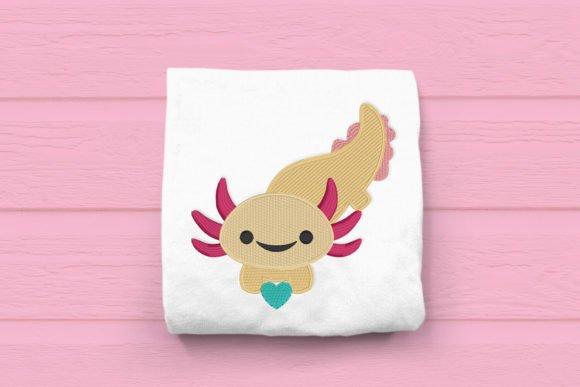
As an embroidery designer who spends countless hours testing stitches and evaluating designs for market viability, I approach every new machine embroidery design with a critical eye. The goal is never just to make something pretty; it is to create a product that sells at a craft fair, stands out in an Etsy listing, and holds up under the scrutiny of customers looking for quality handmade goods. Today, I am reviewing the Axolotl with Heart design, a piece that promises to be a standout addition to any booth dedicated to whimsical, nature-inspired decor.
The concept is simple yet effective: an adorable axolotl paired with a heart. This combination taps into two massive trends in the handmade world: the popularity of aquatic creatures and the universal appeal of love-themed accents. But does it translate well from screen to fabric? Let us dive into the practical realities of turning this embroidery file into a profitable craft fair product.
First Impressions and Visual Appeal
When you first look at the Axolotl with Heart, the immediate takeaway is its charm. It feels soft, modern, and undeniably cute. For a weekend market, you want designs that grab attention from three feet away. This design achieves that through its clean lines and recognizable subject matter. Axolotls have a distinct silhouette that reads instantly, even from a distance. The addition of the heart adds an emotional hook, making the item feel giftable and personal.
The description notes that the largest size features satin around the heart, while smaller sizes utilize bean stitch. This variation is crucial for a designer to understand. Satin stitches offer a smooth, glossy finish that catches the light, making the heart pop as a focal point on larger items like tote bags or aprons. Conversely, the bean stitch in smaller sizes provides texture and detail without becoming muddy. This flexibility allows you to offer tiered pricing based on size and complexity, a smart strategy for any small shop product.
Product Versatility: Where Does It Shine?
In my experience, the success of an embroidery design often depends on the substrate. The Axolotl with Heart is versatile enough to work across several categories, but some applications will yield better results than others.
- Tote Bags: A classic choice for craft fairs. Placing this design on a canvas tote creates an instant statement piece. The contrast between the sturdy fabric and the delicate embroidery highlights the quality of your work. It serves as excellent mobile advertising for your brand.
- Apron Embroidery: Kitchen-themed markets are booming. An apron featuring this design appeals to home cooks who appreciate whimsy. Ensure you place the design on the bib area where it is visible and protected from heavy wear.
- Tea Towel Embroidery: These are lower-priced impulse buys. Because they are small, they rely heavily on clear details. The bean stitch version of this design works well here, provided the scale is large enough to be legible.
- Embroidered Patches: If you sell patches, this design translates beautifully. The heart acts as a natural border element, and the axolotl’s shape fits well within standard patch dimensions. They are easy to ship and popular among collectors.
- Caps and Beanies: Curved surfaces can distort embroidery. Test this design carefully on caps. The heart might stretch slightly, so checking the hoop placement is essential to maintain symmetry.
- Fabric Pouches and Pillow Covers: These items allow for a larger presentation of the design. On a pillow cover, the axolotl becomes a decorative centerpiece, appealing to buyers looking for nursery or bedroom decor.
Production Practicality and Quality Control
For a digital embroidery file to be commercially viable, it must be efficient to produce. Batch production is key to profitability. When evaluating Axolotl with Heart, consider the following technical aspects.
Stitch Density and Clarity: Axolotls have fine gills and facial features. In smaller sizes, dense stitching can cause the fabric to pucker or the details to merge into a blob. Always test the smallest intended size on scrap fabric. If the eyes or gills become indistinct, you may need to simplify the design or increase the minimum size. The switch to bean stitch outline at certain parts of the body is a good technical choice, as it reduces bulk while maintaining definition.
Thread Colors and Contrast: The visual impact relies heavily on thread selection. Against dark fabric, the colors must be vibrant to stand out. On light fabrics, ensure the outlines provide enough contrast to define the shape. Avoid low-contrast combinations that might get lost in the weave of the material.
Stabilizer Selection: The choice of stabilizer can make or break the final look. For woven fabrics like cotton tea towels, cut-away stabilizer is often necessary to prevent distortion during washing. For knits like tote bags, tear-away may suffice if the design is not overly dense. Always match your stabilizer to the fabric weight and texture.
Selling Strategy and Customer Engagement
At a craft fair, your display needs to tell a story. The Axolotl with Heart lends itself to a "gift for her" or "unique pet lover" narrative. It resonates with animal lovers and those who enjoy quirky, nature-inspired art. To maximize sales, create a cohesive booth display. Use printable mockups to show potential customers how the design looks on different products before they commit to buying.
Photography is equally important. Capture close-up shots that highlight the texture of the satin stitch on the heart and the neatness of the bean stitch outlines. Show the product in use—a person holding the tote bag or wearing the apron. This helps buyers visualize the value and quality of the finished product.
Consider bundling. Pairing a tea towel with a matching pouch creates a higher-value set. This encourages customers to spend more while moving inventory faster. The versatility of the design allows for such creative merchandising without feeling forced.
Important Notes for Commercial Sellers
Before you start mass-producing, there are a few non-negotiable steps. First, confirm the commercial licensing terms. Not all design assets allow for resale of finished goods. Ensure you have the right to sell items made from this embroidery file.
Second, always test on your actual production materials. Fabric texture varies wildly between suppliers. A design that looks perfect on premium canvas might look distorted on a cheaper alternative. Create at least one real mockup for each product type you plan to sell.
Finally, inspect your hooping technique. Misalignment can ruin an otherwise perfect design. Use markers or spray baste to ensure the hoop size and placement are consistent across every unit. Consistency builds trust with your customers and reinforces your brand identity as a maker of high-quality handmade products.
The Axolotl with Heart is more than just a cute image; it is a functional tool for your business. By understanding its strengths, respecting its technical limitations, and presenting it strategically, you can turn this design into a bestseller at your next event. Whether you are an established Etsy seller or a new boutique maker, this design offers a solid foundation for expanding your Animals and Embroidery collections. Take the time to test, refine, and present it with care, and it will swim right into your customers' hearts—and their shopping carts.