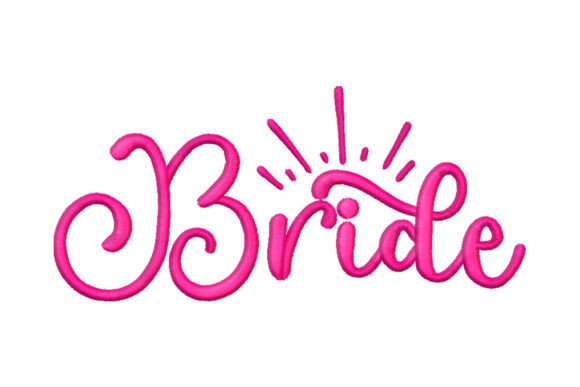
Bride Embroidery Design Review
When I first opened the Bride machine embroidery design, my immediate reaction wasn't about stitch counts or file formats. It was about the mood. In a sea of generic floral patterns and script fonts that seem to appear on every Etsy listing, this piece feels distinctively intentional. As someone who spends hours evaluating digital assets for both personal craft projects and commercial boutique lines, I look for designs that carry a narrative before they even hit the hoop. The Bride design delivers a sense of anticipation and elegance that translates well into physical form. It doesn't just say "wedding"; it suggests a specific moment in time, making it a compelling candidate for custom apparel, personalized gifts, and small business merchandise.
The visual personality of this design is clean yet detailed enough to hold interest. The layout balances negative space with decorative elements in a way that respects the fabric beneath it. When I imagine placing this on a soft cotton t-shirt for a bachelorette party or stitching it onto a linen tea towel for a bridal shower gift, the proportions feel right. It avoids the cluttered look that often plagues wedding-themed embroidery, where too many symbols compete for attention. Instead, it offers a focused statement that allows the recipient to project their own joy onto the finished product. For an Etsy seller or small shop owner, this clarity is crucial; customers scan listings quickly, and a design that looks professional and cohesive at thumbnail size has a higher chance of conversion.
Real-World Application: From Digital File to Finished Product
To truly understand the value of a design like Bride, we have to move beyond the screen and think about the manufacturing process. Let's consider a realistic scenario: a crafter preparing a collection of custom embroidered tote bags for a local wedding expo. They need something versatile that appeals to the bride-to-be but also fits the aesthetic of a modern boutique. This is where the practicality of the design comes into play. The structure of the Bride embroidery file seems robust enough to handle the medium-weight canvas typical of tote bags without causing puckering, provided the stabilizer choice is correct.
However, not all surfaces are created equal. If you plan to use this as sweatshirt embroidery or on stretchy knit fabrics, the behavior of the stitches changes. The density of the fill areas needs to be evaluated against the give of the material. A design that sits perfectly flat on a rigid pillow cover might pull and distort if stitched directly onto a jersey cap without a backing. I recommend testing the Bride design on scrap pieces of your intended fabric first. This step is non-negotiable for any commercial embroidery project where consistency is key to maintaining brand trust. A warped logo or a misaligned image can turn a potential best-seller into a return request.
Another common use case for this type of design is baby items or nursery decor. The theme of "Bride" can be adapted for future parents, perhaps as part of a "Future Mother" set or a keepsake blanket. The softness of the lines in the design works well here, creating a gentle visual that isn't overwhelming for a baby's delicate environment. But remember, when targeting this demographic, thread color contrast becomes even more critical. Light threads on light backgrounds can disappear, while dark threads might look too harsh on pastel fabrics. The Bride design likely relies on a specific palette to achieve its intended effect, so reviewing the suggested thread colors is essential before committing to a production run.
Navigating Technical Challenges and Limitations
Even the most beautiful embroidery design has its boundaries. There are specific scenarios where Bride requires extra caution. Small hoop sizes present a significant challenge. If you attempt to digitize or stitch this design on a tiny patch or a narrow band for a hat, the fine details may get lost or become distorted. The intricate corners of the design could lose definition, resulting in a muddy appearance rather than crisp lines. Similarly, textured fabrics like bouclé or heavy denim can swallow up the finer points of the stitching, making the design look less refined than intended.
Dark fabrics also demand careful consideration. While high-density satin stitches can cover dark backgrounds, they add weight and stiffness to the garment. If you are creating a custom apparel item meant for comfort, such as a lounge shirt for a wedding morning, you must weigh the aesthetic gain against the tactile experience. Furthermore, products that require frequent washing, like aprons or kitchen towels, need designs that can withstand friction. Dense stitch areas can sometimes trap lint or cause the fabric to stiffen over time, affecting the longevity of the handmade product.
Curved surfaces like caps are another area where geometry matters. A design that is perfect for a flat chest pocket might not follow the curve of a baseball cap correctly without significant adjustment. If you are planning to sell embroidered patches or apply this to headwear, ensure you have the necessary tools to adjust the curvature or select a design version specifically optimized for that surface. Ignoring these technical nuances can lead to wasted materials and frustrated clients.
Impact on Brand Perception and Customer Trust
In the world of craft business and digital product sellers, the quality of your output speaks volumes about your professionalism. A well-executed Bride design elevates the perceived value of the entire project. When a customer receives a personalized gift that features clean stitching, balanced spacing, and thoughtful composition, they associate those qualities with your brand. Conversely, sloppy execution can undermine years of building a reputation. The visual appeal of the design contributes directly to buyer engagement and recognition.
This design also serves as a powerful asset for marketing. Whether you are creating a printable mockup for an online store or displaying a sample at a craft fair, the Bride motif is instantly recognizable. It triggers an emotional response related to celebration and love, which is highly effective for wedding gifts and seasonal promotions. However, to maximize this impact, you must ensure the design is presented in its best light. This means using proper lighting in photos, selecting complementary backgrounds, and perhaps offering variations in thread colors to show versatility.
For those selling design assets or providing services, understanding the licensing terms is paramount. Before incorporating Bride into a commercial line of products, verify the permissions regarding resale and distribution. Some machine embroidery design files allow for unlimited finished goods sales, while others restrict the number of units or require a separate commercial license. Clarity here protects your small shop product from legal issues and ensures your creative entrepreneur journey remains smooth.
Practical Notes for the Discerning Designer
Before you start stitching, take a moment to review the technical specifications of the Bride file. Check the recommended hoop size to ensure it fits your equipment. Verify the stitch density to avoid overloading the fabric, especially if working with delicate materials. Inspect the small details closely; sometimes, what looks good on a monitor can appear pixelated or broken when scaled down. Testing the design in black and white mockups can help you assess the contrast and balance without the distraction of color.
Always confirm whether the design is suitable for both personal and commercial use. If you are an Etsy seller looking to expand your catalog with wedding designs, having a reliable, high-quality asset like this can streamline your workflow. Use the right stabilizer for your fabric type—cut-away for stability on knits, tear-away for wovens—and always run a test stitch. By approaching the Bride design with this level of scrutiny and care, you transform a simple digital file into a centerpiece of a cherished handmade product.