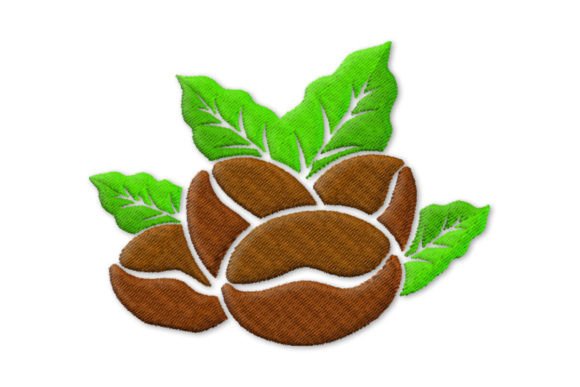
Coffee Beans with Green Leaves
If you are prepping your booth for the upcoming weekend craft fair, you know that first impressions are everything. As an embroidery designer who has spent years turning digital files into tangible, sellable goods, I look at a design file and immediately start visualizing it on fabric. Today, I am reviewing the Coffee Beans with Green Leaves design. This is not just about aesthetics; it is about commercial viability, production ease, and customer appeal. If you are an Etsy seller, a small shop owner, or a creative entrepreneur looking to add a high-demand item to your lineup, this review breaks down exactly how this design performs in the real world.
First Impressions: The Visual Appeal
When you load the Coffee Beans with Green Leaves design into your hoop, the immediate takeaway is its balance. Coffee-themed items are ubiquitous at craft fairs, but they often suffer from being too cluttered or too generic. This design captures the essence of your favorite brew without feeling chaotic. The inclusion of green leaves adds a vital touch of organic contrast against the rich browns of the beans, elevating the piece from a simple icon to a decorative element.
The mood here is rustic yet modern. It feels premium enough for a boutique gift shop but approachable enough for a casual market stall. For customers browsing tables laden with handmade products, this design stands out because it suggests quality. It does not look like a cheap print; it looks like a crafted machine embroidery design. This distinction is crucial for justifying higher price points on finished products.
Product Versatility: Where It Sells Best
The true test of any embroidery file is its adaptability. Can it work across multiple product types? With Coffee Beans with Green Leaves, the answer is a resounding yes. Here is how I see this performing on specific craft fair products:
- Kitchen Towels and Aprons: This is the bread and butter of coffee merchandise. On a white or cream linen tea towel, the green leaves pop beautifully, creating a fresh, farmhouse aesthetic. For apron embroidery, placing this as a central focal point on the bib area draws the eye immediately. It signals to the buyer that this is a functional piece with personality.
- Tote Bags and Market Bags: A sturdy canvas tote featuring this design is an instant bestseller. The size of the design allows it to serve as a large statement piece. When photographed for an Etsy listing, the texture of the thread catches the light, making the digital mockup look incredibly realistic and desirable.
- Fabric Pouches and Small Gift Sets: For lower-priced impulse buys, stitch this onto small zippered pouches intended for tea bags or sugar packets. These make excellent add-on items at checkout. The design works well here as a smaller accent, provided the stitch density holds up on the tighter weave of pouch fabric.
- Patches and Caps: If the design includes a clean border, it translates exceptionally well as an embroidered patch. Customers love attaching these to denim jackets or backpacks. On caps, however, caution is advised due to the curved surface; ensure the design fits within a standard 5x7 or 4x4 hoop limit to avoid distortion.
Production Practicality and Design Assets
As a professional, I do not just look at how pretty a design is; I look at how easy it is to produce efficiently. Batch production is key to profitability at craft fairs. Coffee Beans with Green Leaves appears to have a logical flow that minimizes trimming time. However, there are critical technical notes every designer must consider before committing to a full run.
Stitch Density and Detail: You must inspect the stitch density closely. Coffee beans can easily become a muddy blob if the stitches are too dense or if the thread colors lack sufficient contrast. If the design relies on tiny details or small lettering, be wary of stitching it on textured towels or thick fleece, where fine detail gets lost. Always test the design on scrap fabric first. Check how the green threads interact with the brown threads; sometimes, similar tones can blend together under certain lighting conditions, reducing clarity.
Hoop Size and Stabilizer: Confirm the recommended hoop size for this digital embroidery file. If the design is large, ensure your machine can handle the dimensions without requiring complex multi-hooping, which slows down production. Equally important is using the right stabilizer. For kitchen textiles like aprons and tea towels, a cut-away stabilizer is often necessary to prevent puckering after washing. For structured items like totes, a tear-away might suffice for temporary support, but always prioritize the longevity of the finished product.
Selling Strategy and Customer Engagement
Why will this design move units? Because it taps into a lifestyle. Coffee is not just a drink; it is a ritual. By offering a handmade product that celebrates this ritual with elegance, you are selling an experience. The presence of green leaves suggests freshness and natural ingredients, which appeals to the eco-conscious and health-aware demographic often found at craft fairs.
For Etsy sellers, this design offers excellent opportunities for printable mockups. Create listings that show the design on various backgrounds—wooden tables, ceramic mugs, and linen textures. This helps buyers visualize the item in their own homes. The design’s versatility allows you to create a cohesive brand line. Whether it is a tote bag design or a set of matching coasters, consistency builds trust and encourages repeat purchases.
Technical Checklist for Production
Before you mass-produce, run through this quick checklist to ensure your commercial embroidery efforts are successful:
- Thread Contrast: Ensure the greens and browns provide enough visual separation. Test on the actual fabric color you plan to use.
- Fabric Texture: Avoid highly textured fabrics unless you are confident in the design’s ability to lay flat. Smooth cottons and linens are safest for detailed work.
- Commercial Licensing: Verify the license terms. Even if the design is purchased, confirm that you are allowed to sell the physical items made from it. This protects your business legally.
- Mockup Validation: Stitch at least one sample. Inspect it for loose threads, tension issues, and overall clarity. This single step saves hours of rework later.
Final Verdict
The Coffee Beans with Green Leaves design is a strong contender for any maker’s repertoire. It balances charm with professionalism, making it suitable for both casual gift-givers and serious home decor enthusiasts. Its adaptability across aprons, totes, and accessories means you can maximize your return on investment by producing multiple SKUs from a single file.
However, success lies in the execution. Pay attention to the stitch density, choose your thread colors wisely, and always present your small shop product with care. When done correctly, this design will not only fill your booth space but also leave customers with a lasting impression of quality and style. For those looking to expand their design assets, this is a reliable, high-value addition that bridges the gap between artistic expression and commercial success.