My Coffee Embroidery Review
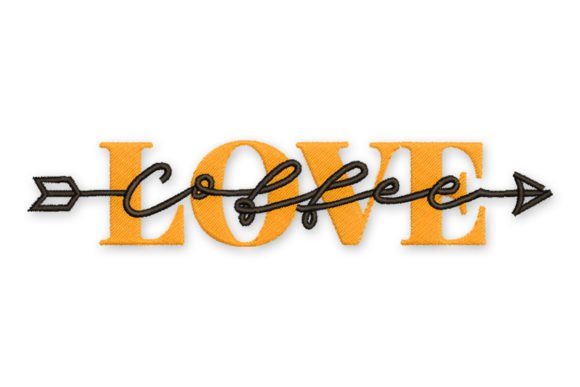
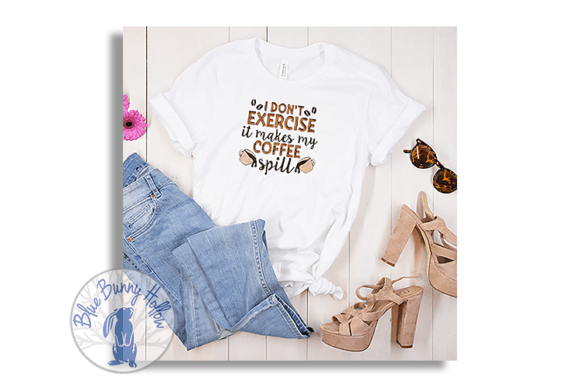
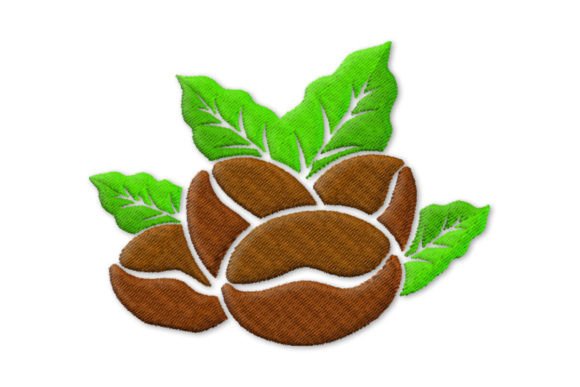
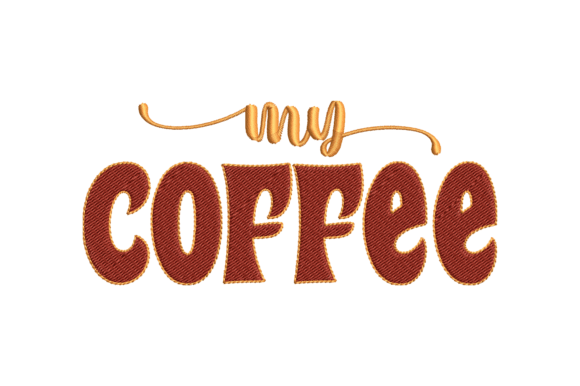
As an experienced embroidery designer, I spend my days evaluating how digital files translate into tangible products. When a client sends over a design file for review, I am not just looking at aesthetics; I am assessing viability. Can this design survive the hoop? Will it hold up after fifty washes? Does it communicate the right brand message on a small patch or a large apron? Today, I am reviewing My Coffee, a design described as an art form that elevates fabric with elegance and charm. This review is specifically tailored for small business owners, Etsy sellers, apparel decorators, and crafters who need to know if this digital embroidery file fits their commercial strategy.
First Impressions: Personality and Visual Appeal
The description of My Coffee highlights "elegance" and "charm," which immediately suggests a design that leans towards the sophisticated rather than the purely utilitarian. In the world of branded merchandise, first impressions are critical. A design that feels like an "art form" promises a higher perceived value to the end customer. For a small café, boutique, or creative studio, this distinction is vital. It signals that the brand cares about detail and quality.
Visually, we can infer that My Coffee likely balances modern sensibilities with classic warmth. The term "delightful" implies a touch of playfulness, while "eye-catching" suggests sufficient contrast and visual weight. This combination makes it versatile. It is not overly ornate to the point of being illegible, nor is it so simple that it lacks character. For handmade brands and product designers, this balance is the sweet spot. It allows the design to function as a subtle accent on a uniform while still standing out as a statement piece on tote bags or packaging accents.
Real-World Business Applications
So, where does My Coffee shine in a commercial setting? Let us look at specific use cases for small business merch and custom apparel.
- Embroidered Patches: One of the most popular uses for high-quality designs is creating branded patches. Whether attached to denim jackets, backpacks, or hats, a well-executed design adds instant credibility. If My Coffee maintains its legibility at smaller scales, it serves as an excellent logo alternative for businesses that want a more artistic identity.
- Staff Uniforms and Aprons: For bakeries, florists, or local cafes, staff attire is walking advertising. An embroidered patch on the chest or a sleeve detail featuring My Coffee creates a cohesive team look. It enhances professionalism without feeling corporate. The "elegant" nature of the design ensures that staff feel proud wearing it, which translates to better customer service and brand perception.
- Caps and Headwear: Cap embroidery requires precision. Designs must be clean enough to stitch accurately on curved surfaces. If My Coffee has a clear focal point and balanced spacing, it works beautifully on the front panel of baseball caps or beanies. This is a staple item for event merch and trade shows.
- Tote Bags and Eco-Friendly Products: Tote bags are ubiquitous in the handmade and craft communities. They serve as mobile billboards. A charming, elegant design like My Coffee appeals to the eco-conscious consumer who values aesthetics alongside utility. It transforms a basic canvas bag into a premium accessory.
- Product Packaging and Labels: Beyond apparel, this design can elevate product labels. Imagine a small embroidered tag on a jar of coffee beans, a box of tea, or a bundle of handmade goods. It adds a tactile element that printed labels cannot match, significantly boosting unboxing experiences for Etsy sellers.
Brand Identity and Customer Trust
Consistency is key to building brand identity. Using a design that feels intentional and polished helps establish trust. When customers see My Coffee on multiple touchpoints—caps, aprons, tags—they recognize the brand’s commitment to quality. This visual consistency reinforces professionalism. Furthermore, the "handmade" feel often associated with embroidery fosters a connection between the maker and the buyer. It says, "This was made with care." In a market saturated with mass-produced goods, this emotional resonance drives engagement and loyalty.
Strategic Considerations and Limitations
No design is perfect for every application. As a designer, I must advise caution in certain scenarios to ensure the best finished product.
Small Patch Sizes: If you plan to digitize or embroider My Coffee at a very small scale (under two inches), you must evaluate the level of detail. Intricate outlines or tiny lettering may merge together during stitching, resulting in a muddy appearance. Always test small versions before committing to bulk production.
Curved Surfaces and Caps: Embroidering on curved surfaces like cap fronts requires specialized techniques. If the design has wide horizontal elements, they may distort. Ensure the design’s aspect ratio suits the curvature of your target garment.
High Stitch Density: Dense designs can make fabric stiff and heavy. On lightweight fabrics like thin cotton tees or delicate linens, excessive density can cause puckering. Conversely, on dark uniforms, thread color contrast becomes paramount. Light threads on dark fabric require a underlay or specific placement to prevent show-through.
Frequent Washing: For items like aprons or work shirts that undergo frequent laundering, durability is essential. While embroidery is generally durable, poor stabilizer choice or incorrect tension can lead to unraveling. Always inspect the back of the sample for clean stitching and proper support.
Practical Designer Notes for Production
Before you order hundreds of embroidered patches or start printing mockups, follow these essential steps to avoid costly mistakes.
- Test in Black and White: Convert the design to grayscale first. This helps you assess the balance and contrast without the distraction of thread colors. If it doesn’t work in black and white, it won’t work in color.
- Check Hoop Size Compatibility: Verify that the design dimensions fit within standard hoop sizes. If the design is too large, you may need multi-hooping, which increases production time and cost.
- Review Thread Color Contrast: Select thread colors that pop against your target fabric. Dark threads on light fabric usually offer the highest visibility. Experiment with metallic or specialty threads only if they align with your brand’s premium positioning.
- Inspect Spacing and Stitch Density: Look closely at the negative space within the design. Are there areas where stitches might overlap incorrectly? Is the density appropriate for the fabric type?
- Test on Real Fabric: Never rely solely on digital previews. Stitch the design on the actual fabric you intend to use. Different materials react differently to needles and stabilizers. Cotton behaves differently than polyester blends.
- Use Proper Stabilizer: The right stabilizer is crucial for a professional finish. Cut-away stabilizers are often best for stretchy fabrics or long-lasting garments, while tear-away may suffice for temporary projects.
- Create a Printable Mockup: Before producing physical samples, create a high-quality printable mockup. Show this to clients or stakeholders for approval. It saves time and money by catching issues early.
- Compare Against Other Assets: Place My Coffee beside your other design assets. Does it fit the overall visual language of your brand? Consistency across all design elements strengthens recognition.
- Confirm Commercial Licensing: Finally, ensure you have the correct commercial license to use this digital embroidery file for selling merchandise. Unauthorized use can lead to legal issues. Check the provider’s terms regarding resale rights.
Final Verdict
My Coffee appears to be a strong candidate for small business merchandise, particularly for brands seeking a blend of elegance and approachability. Its potential to enhance brand identity through embroidered patches, aprons, and caps is significant. However, success depends on careful execution. By testing the design for stitch density, color contrast, and fabric compatibility, you can ensure that the final product reflects the high standards your customers expect.
For Etsy sellers, crafters, and product designers, this design offers a way to add a personal, artisanal touch to commercial goods. It transforms simple items into memorable experiences. Just remember to validate the technical details—such as hoop size and file format—with your digitizer or manufacturer before moving to full-scale production. With the right preparation, My Coffee can become a signature element of your brand’s visual identity.