Robotic Arm Manipulator: A Boutique Sweatshirt Review
As an experienced embroidery designer, I spend my days evaluating digital assets for everything from delicate handkerchiefs to heavy-duty workwear. Recently, I came across the Robotic Arm Manipulator design and immediately saw its potential for a specific niche: a limited drop of premium sweatshirts for a small boutique brand. The product description promises whimsy and charm, suggesting this is not just a technical schematic but a piece of art ready to stitch onto fabric. In this review, I am putting that embroidery file through the wringer to see if it truly belongs in a high-end apparel collection.
The First Impression: Whimsy Meets Industrial
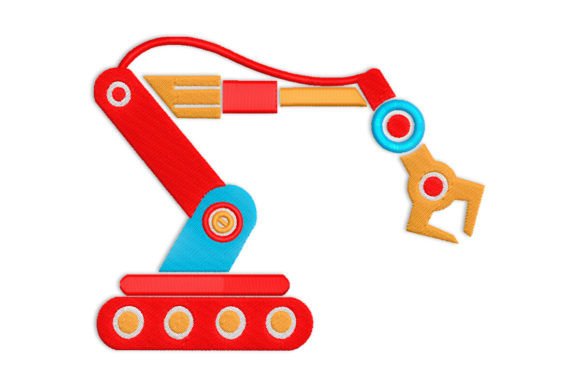
When I first opened the Robotic Arm Manipulator design file, the mood was instantly established. It strikes a unique balance between the rigid precision of machinery and the soft, organic feel of thread. For a boutique brand looking to stand out on platforms like Etsy or Instagram, this machine embroidery design offers a distinct visual identity. It feels playful yet sophisticated, avoiding the cliché of generic tech logos. Instead, it suggests a narrative about craftsmanship and modern creation.
The layout appears balanced enough for a chest placement but has enough detail to serve as a statement piece on the back. The "whimsy" mentioned in the description translates well to the stitching personality; it does not look cold or robotic in a negative sense. Rather, it feels like a charming character. This makes it perfect for a brand that wants to appeal to creative entrepreneurs, crafters, and anyone who appreciates the intersection of technology and handmade goods.
Fabric and Color Strategy for Apparel
Imagine this design stitched onto our upcoming seasonal collection. The versatility of Robotic Arm Manipulator shines when we consider different fabric textures and colors. On a neutral oatmeal or heather grey sweatshirt, the design would pop with a clean, minimalist aesthetic. The contrast would be subtle yet professional, ideal for customers who prefer understated branding.
However, the real magic happens with bold choices. On a deep charcoal or midnight blue hoodie, using bright metallic threads could make the manipulator arm gleam, creating a futuristic vibe that screams "premium." Conversely, pastel-colored fabrics paired with soft pink or baby blue threads would lean into the "cute" and "feminine" descriptors often sought by lifestyle brands. For an oversized hoodie, which is currently a staple in custom apparel, placing Robotic Arm Manipulator on the sleeve could add a delightful surprise element that catches the eye during lifestyle product photography.
The design's ability to adapt to both dark and light backgrounds ensures it works for any small shop product line. Whether you are targeting a rustic, cozy aesthetic or a sleek, modern urban look, this digital embroidery file can be customized with the right thread colors to fit your brand identity.
Placement Ideas for Every Garment
- Chest Placement: Perfect for a subtle logo on the left breast of a crewneck sweatshirt. It establishes brand recognition without overwhelming the wearer.
- Sleeve Accents: Ideal for oversized hoodies where a smaller version of the design adds texture and interest to the forearm.
- Back Design: For a statement drop, a larger iteration of Robotic Arm Manipulator on the back of a cozy pullover creates a focal point that looks amazing in social media posts.
- Hoodie Back Neck: A tiny, centered version near the collar can serve as a refined tag alternative.
Technical Considerations for Commercial Use
Before committing to a full production run, a professional designer must address practical concerns. When embroidering on thick sweatshirt fleece, stitch density becomes critical. If the design is too dense, the fabric may pucker, ruining the drape of the garment. If it is too sparse, the finished product will lack definition. Based on the whimsical nature of the title, I suspect the design utilizes satin stitches for outlines and fill stitches for the interior, which generally holds up well on medium-weight cotton blends.
The choice of stabilizer is equally important. For a heavy sweatshirt, a cut-away stabilizer is usually the best bet to ensure long-term durability and prevent the design from sinking into the fabric over time. However, if the goal is a softer hand-feel, a tear-away might suffice for lighter weight materials. Designers should always test on scrap fabric first to determine the exact hoop size needed to avoid distortion.
Another vital factor is fabric texture. Embroidery on a smooth jersey behaves differently than on a textured fleece. The Robotic Arm Manipulator design needs to be legible even when the fabric has a significant nap. Small details might get lost in the fuzziness of a heavy knit, so ensuring the core elements of the arm are large enough is essential for readability.
Ensuring Quality and Durability
- Thread Contrast: Ensure the selected thread colors provide enough contrast against the sweatshirt base. Low contrast can make the design invisible, while high contrast enhances the "bold" feel.
- Washing Durability: High-quality commercial embroidery should withstand multiple wash cycles. Check the underlay stitches in the file to ensure the design stays secure.
- Readability: At small sizes, such as on a hat or sleeve, verify that the intricate parts of the manipulator do not blur together.
Impact on Brand Identity and Customer Trust
In the world of online retail, particularly for an Etsy seller or a digital seller, the quality of the print or embroidery is often the first indicator of trust. A poorly executed design can damage a boutique brand's reputation, but a well-executed one elevates the perceived value of the item. Robotic Arm Manipulator, with its unique theme, helps build a cohesive visual language.
When a customer sees this design on a mockup preview, they immediately understand the brand's personality. It signals creativity and attention to detail. This visual recognition fosters customer engagement and loyalty. Furthermore, having a distinctive design asset allows for better marketing angles. You can tell a story about the "robotic" efficiency of your production process combined with the "human touch" of handmade products.
For those looking to create custom apparel for their own business, this embroidery file serves as a versatile tool. It can be used on towels, pillows, and home decor as suggested in the original description, expanding your product line beyond clothing. This cross-category utility maximizes the return on investment for the purchase.
Final Thoughts on Production Readiness
The Robotic Arm Manipulator design feels strong enough for commercial use, provided the technical setup is correct. It captures a mood that is both trendy and timeless, suitable for a variety of demographics from tech enthusiasts to fashion-forward creatives. However, before hitting the "stitch" button for a mass production run, remember to check the specific details regarding the file format, hoop size limits, and license terms. These are crucial for ensuring you have the legal right to sell the finished goods.
If you are a small clothing brand or a creative entrepreneur looking to add a touch of whimsy and charm to your inventory, this design is a promising candidate. It transforms a standard sweatshirt into a conversation starter. By paying close attention to stabilizer choice, thread colors, and hoop placement, you can turn this digital asset into a tangible, high-value product that your customers will love to wear.
Ultimately, the success of this commercial embroidery project lies in the execution. With careful planning, Robotic Arm Manipulator can become a signature element of your collection, proving that even the most mechanical subjects can be rendered with heart and soul.