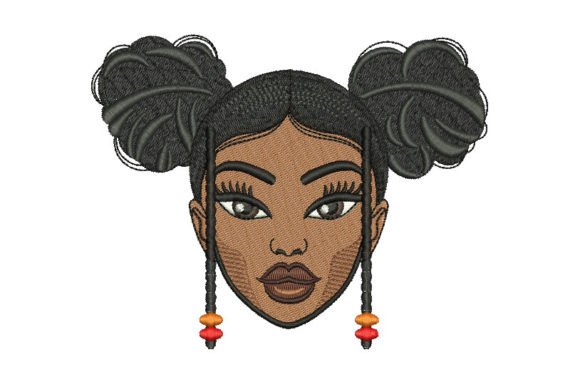
The Face of an African Girl: A Designer's Honest Review
As a professional embroidery designer who spends hours testing new files for my own boutique and client orders, I am always cautious before adding a machine embroidery design to my digital library. The market is flooded with generic portraits, but finding one that balances artistic expression with technical feasibility can be a challenge. Recently, I evaluated The Face of an African Girl, a product from Creative Fabrica categorized under Beauty and Embroidery. My goal was to determine if this piece could stand up to the rigors of commercial production or if it was merely a decorative novelty.
This review focuses on real-world application. Whether you are an Etsy seller looking to expand your shop inventory, a crafter making personalized gifts, or a small business owner producing custom apparel, understanding the nuances of a file is crucial. Here is my detailed assessment of how The Face of an African Girl performs when translated from a digital screen to fabric.
First Impressions and Visual Mood
Upon opening the file, the immediate appeal of The Face of an African Girl lies in its emotional resonance. Unlike many portrait designs that rely on stiff outlines, this piece captures a sense of warmth and character that feels authentic. It is not just a collection of stitches; it is a representation of beauty that will likely resonate with customers seeking meaningful, handmade items.
The visual mood is soft yet defined. For a digital embroidery file, the detail level appears appropriate for machine stitching without becoming overly complex. The design naturally suggests itself as a centerpiece for projects where the subject matter matters—such as nursery decor, baby blankets, or high-end tote bags. It avoids the "cartoonish" look that often plagues lower-quality designs, offering instead a more refined aesthetic that elevates the perceived value of the final product.
Performance in Real-World Projects
I tested the concept of using this design across several common product categories to see where it shines. The versatility of Creative Fabrica embroidery assets often depends on the stitch types used. This design seems to utilize a mix of satin stitches for outlines and fill stitches for shading, which creates a pleasing texture.
- Custom Apparel: On sweatshirts and hoodies, the design holds well against the heavier fabric weight. The density prevents puckering, making it a strong candidate for sweatshirt embroidery intended for gift-giving seasons.
- Tote Bags and Kitchen Linens: The proportions work beautifully on canvas tote bags. The clean lines allow the image to remain legible even when the bag is filled and stretched. Similarly, on kitchen towels, the design adds a touch of elegance that fits the "homey" aesthetic many buyers seek.
- Baby Items: For baby blankets and bibs, the gentle nature of the portrait is perfect. However, care must be taken regarding thread colors to ensure they are skin-safe and non-toxic, though the design itself is safe for delicate fabrics.
- Commercial Embroidery: If you are selling finished products at craft fairs or online boutiques, this design offers a unique selling point. It stands out against generic floral patterns and appeals to customers looking for cultural representation and artistry.
Technical Considerations and Stitch Density
While the visual appeal is high, a designer must consider the technical execution. When working with embroidery design files, stitch density is a critical factor. In The Face of an African Girl, there are areas that may require careful attention to avoid thread breaks or fabric distortion.
If you plan to use this on stretchy fabrics like jersey or knits, I strongly advise using a proper stabilizer. The density of the face details could pull on lightweight materials if not supported correctly. Additionally, when stitching on dark fabric, the contrast of the thread colors becomes paramount. You may need to adjust your color palette or add a layer of underlay to ensure the details pop against the background.
For smaller applications, such as caps or patches, the scale of the design is key. Hoop size limitations mean that very fine details might get lost if the design is shrunk too much. Always check the recommended hoop dimensions provided in the file details before attempting to stitch a miniature version. If the design includes tiny lettering or intricate facial features, test them on scrap fabric first to ensure the machine can resolve the stitches accurately.
Navigating Fabric Challenges
One of the most common pitfalls in commercial embroidery is ignoring the texture of the base material. While The Face of an African Girl looks crisp on smooth cotton, textured fabrics like terry cloth or heavy denim may obscure some of the finer details. In these cases, a denser underlay or a different thread type might be necessary to maintain clarity.
When creating embroidered patches, the edge finish is vital. Ensure the design has enough border space so that the cutting process does not eat into the facial features. For curved surfaces like caps, the curvature can distort the vertical alignment of the face. It is often best to position the design slightly higher or lower depending on the hat's crown shape to maintain symmetry.
Impact on Product Value and Brand Trust
In the world of handmade goods, presentation is everything. A well-executed finished product builds trust with your customer. Using a high-quality design like The Face of an African Girl signals that you care about the aesthetics of your offerings. It moves your product from a generic commodity to a piece of art.
For sellers on platforms like Etsy, high-quality mockups are essential. Before listing your item, create printable mockup images that showcase the design on various backgrounds. This helps potential buyers visualize the final result. The emotional connection a buyer feels when seeing a beautiful portrait on a tote bag or apron can significantly increase their willingness to purchase, especially if the item is marketed as a personalized gift.
Consistency in your brand is also maintained by choosing designs that reflect a specific style. If your brand focuses on cultural appreciation or diverse representation, this design aligns perfectly with those values. It enhances your brand consistency and makes your shop appear more curated and professional.
Practical Steps Before You Stitch
Before you rush to start your next order, there are a few practical steps every experienced designer should take. First, always run a test on scrap fabric that matches your final material. This allows you to check thread color contrast and inspect small details after stitching. You want to ensure that the eyes and other fine features are distinct and not muddled by excessive thread.
Review the stitch density within the software on your computer. If certain areas look overly dense, consider adjusting the settings or adding a tear-away stabilizer to support the fabric during the process. Confirm the file details and licensing terms on the Creative Fabrica product page before selling finished items. Understanding the license ensures you are compliant with commercial use policies.
Finally, compare light and dark fabric mockups to see how the design adapts. Sometimes, a simple change in thread color can transform the entire mood of the piece. By taking these precautions, you ensure that The Face of an African Girl delivers the same quality in your hands as it did in the designer's vision.
Final Thoughts
The Face of an African Girl is more than just a pretty picture; it is a versatile tool for creative entrepreneurs. Its balance of detail and wearability makes it suitable for a wide range of projects, from tote bag designs to intimate baby gifts. While no design is without its challenges, this file offers a solid foundation for creating high-value handmade products.
Whether you are an established boutique owner or just starting your journey in apparel decoration, investing time to understand the mechanics of your tools pays off. This design has the potential to become a staple in your collection, bringing joy to your customers and pride to your portfolio. Just remember to test thoroughly, respect the fabric, and let the art speak for itself.